
Switchable glass is increasingly being specified in offices, meeting rooms, healthcare environments, residential properties and other spaces where privacy needs to be balanced with natural light.
The finished result can look remarkably simple: clear glass becomes private at the touch of a button. Behind that simplicity, however, are several important specification and installation considerations.
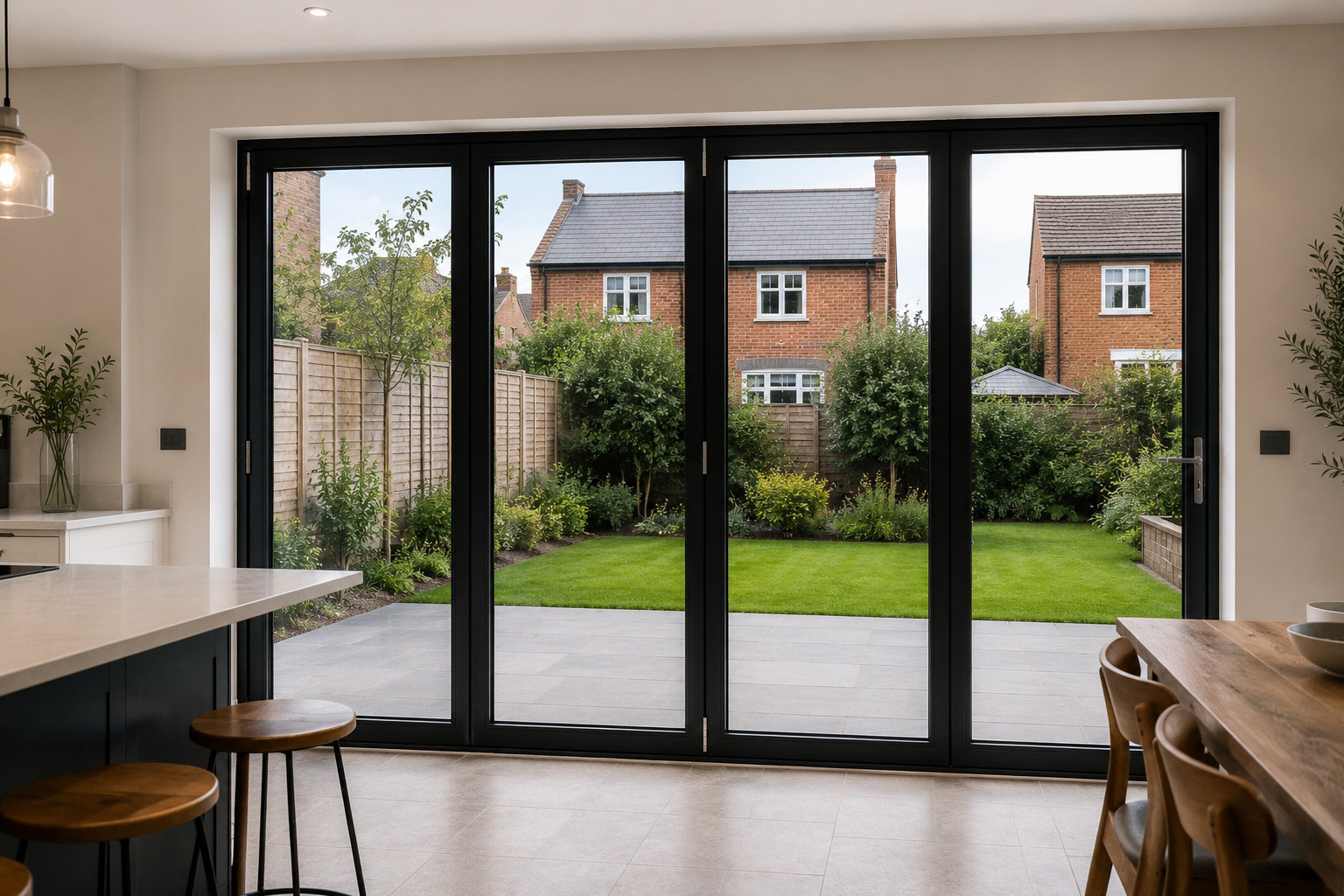
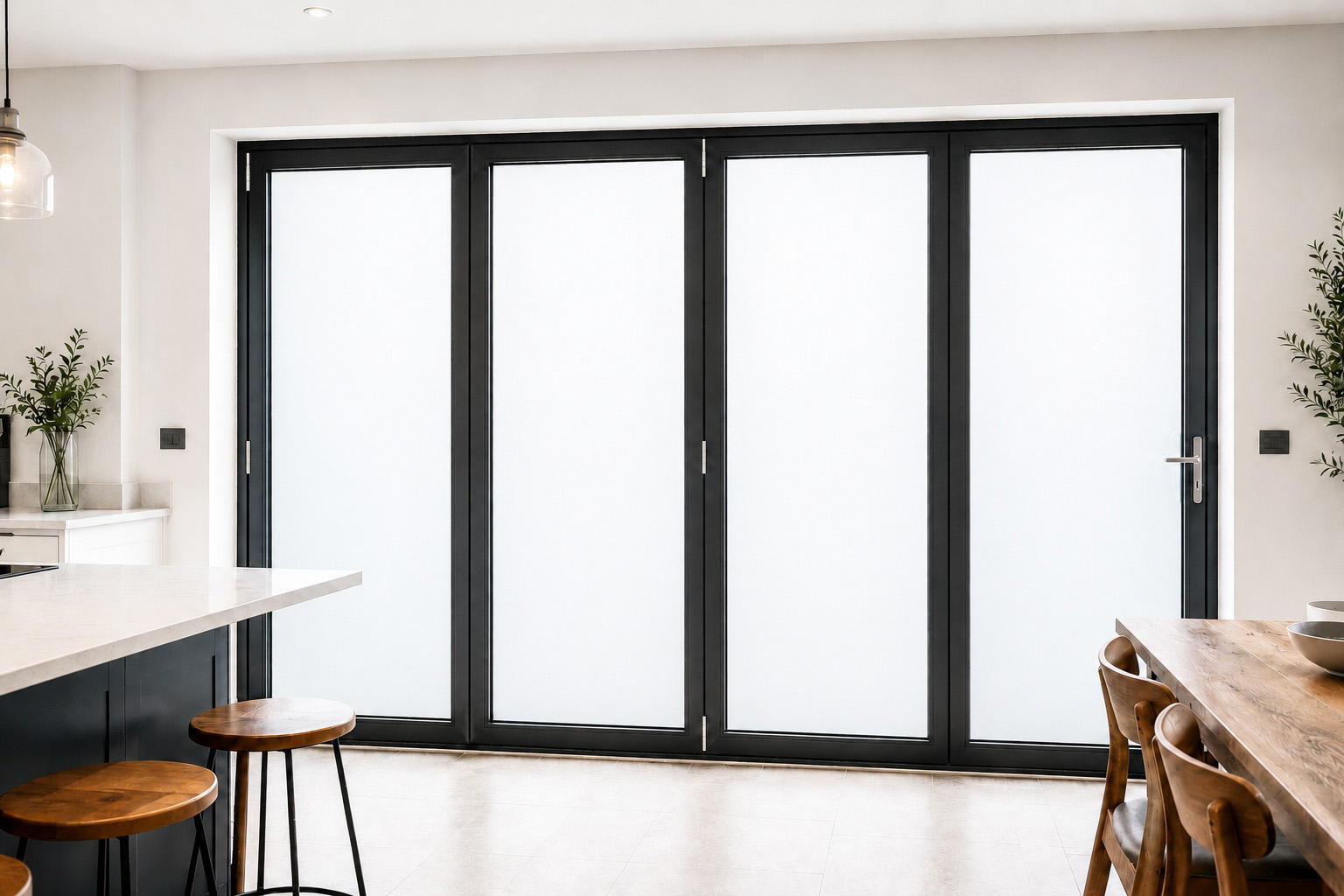
Unlike standard glazing, switchable glass requires electrical connections, controls and some forward planning. Getting these details right early can make installation considerably easier and help avoid unnecessary changes on site.
1. Switchable Glass Needs a Power Supply
Most privacy switchable glass uses PDLC technology. A specialist interlayer containing liquid crystals is incorporated within the glass. When electricity is applied, the crystals align and the glass becomes transparent. When power is removed, they scatter light and the glass returns to its frosted privacy state.
This means an electrical supply needs to be considered as part of the glazing specification. The exact requirements depend on the system, the size and number of panels, and the method of control.
For commercial projects, involve the electrical contractor early rather than treating the electrical element as something to resolve once the glazing has arrived on site.
2. Plan Cable Routes Before the Glass Is Installed
Switchable glass requires connections at the edge of the panel. These need to be concealed within the glazing system, frame, ceiling, wall or another suitable location.
Good planning can result in a discreet installation where the electrical components are barely noticeable. Finding a cable route after frames, walls and finishes are complete can be considerably more difficult.
This is particularly important for frameless glass partitions and high-end residential interiors where visible cables could compromise the finished appearance.
3. Decide Where the Transformer or Controller Will Go
Switchable glass systems require suitable electrical control equipment between the mains supply and the glass. This equipment needs to be positioned somewhere accessible while remaining discreet.
Depending on the project, it might be located within a ceiling void, electrical cupboard, accessible joinery or another suitable location. Electrical components should not be permanently sealed behind a finished surface where they cannot be reached for future inspection or maintenance.
Agree the electrical details during design
The transformer location, cable routes and access requirements should be agreed before the surrounding finishes are finalised. This is usually much easier than trying to retrofit access later.
4. Decide How the Glass Will Be Controlled
Switchable glass does not have to be operated by a simple wall switch. Depending on the system and project requirements, control options can include:
- Wall switches
- Remote controls
- Key switches
- Timers
- Sensors
- Smart home controls
- Building management systems
For a meeting room, a straightforward wall switch may be all that is required. In a high-end residential property, integration with the lighting or automation system may make more sense. Discuss the control method before installation so the correct electrical infrastructure can be provided.
5. Consider What Should Happen When the Power Is Off
Traditional switchable privacy glass is generally frosted when there is no power and clear when electricity is supplied. This is useful where privacy is the priority.
Reverse switchable systems operate differently, remaining clear in their default state and changing when activated. This can be important when the required default state matters.
Ask a simple question at the design stage: if the building loses power, what do we want the glass to do? The answer can help determine which switchable glass technology is most appropriate.
6. Switchable Glass Works Within Different Glazing Systems
Switchable technology is not limited to internal office partitions. Depending on the specification, it can be incorporated into laminated glass and insulated glazed units, opening up applications including windows, doors, partitions, screens and other architectural glazing.
The surrounding framing and glazing system still needs to be suitable for the glass specification, weight, thickness and intended application. Discuss the requirement with a specialist glass supplier before the surrounding system has been finalised.
7. Switchable Film and Switchable Glass Are Not the Same
If suitable glass is already installed, PDLC switchable film may be an option. It can be applied to existing glazing to provide similar clear-to-private functionality without replacing the complete glass panel, making it useful for refurbishments and existing office partitions.
Factory-manufactured switchable glass incorporates the switchable layer within the glazing construction. This generally provides a more integrated solution and is often preferred for new installations.
The right choice depends on the existing glazing, environment, budget, performance requirements and expected finish.
8. Get the Glass Sizes Right Before Manufacture
Switchable glass is manufactured specifically for the project. Once manufactured, toughened or laminated glass cannot simply be cut down on site because an opening is slightly smaller than expected.
Accurate dimensions are essential. The same applies to holes, cut-outs, notches and other processing required for hinges, handles, access control or specialist fittings. These details should be established before the glass enters manufacture.
For more complex installations, a site survey can help identify potential issues before an order is placed.
9. Specify the Complete Glazing Requirement
The fact that glass is switchable does not remove the normal requirements of architectural glazing. The complete specification still needs to be suitable for its intended use.
Depending on the project, considerations may include:
- Safety glazing requirements
- Toughened or laminated construction
- Glass thickness and panel dimensions
- Structural requirements
- Thermal and acoustic performance
- Solar control
- Privacy requirements
- Relevant building regulations
The switchable element should form part of the overall glazing specification rather than being considered in isolation.
10. Speak to Your Glass Supplier Early
Switchable glass is much easier to incorporate when it is considered during the design stage. This gives the architect, contractor, electrician and glass supplier an opportunity to establish the glass specification, electrical requirements, cable routes, controls and installation details before work progresses too far on site.
It can also highlight options that may not have been considered initially. A project may require privacy but also suffer from excessive solar gain, making a solar switchable solution worth exploring. Another space may require a much darker state than conventional privacy glass can provide, in which case Black Switchable may be more appropriate.
There is no single switchable glass specification that suits every project.
What Information Should You Provide When Requesting a Quote?
You do not need to have every technical detail established before speaking to a supplier. Providing as much of the following information as possible will help:
- Approximate glass sizes and quantities
- Drawings, if available
- Internal or external application
- New glazing or existing glazing
- Required clear and privacy states
- Framing system
- Intended use of the space
- Preferred method of control
- Any additional performance requirements
Photographs can also be useful for refurbishment projects. From there, the glass specification and installation requirements can be discussed in more detail.
Planning a Switchable Glass Project?
At We Supply Glass, we supply and install switchable glass and switchable film for residential and commercial projects across the UK. We work with architects, contractors, developers, designers and homeowners to establish the right glass specification for the application rather than simply supplying a standard product.
Our range includes traditional privacy glass, reverse switchable glass, solar switchable solutions and Black Switchable. We can help with product selection, specification, electrical considerations and installation requirements before the project reaches site.
Related Products
View Our Switchable Glass Range →Have a Switchable Glass Project in Mind?
Speak to our team early for practical advice on product selection, specification, electrical planning and installation.
Get in Touch